
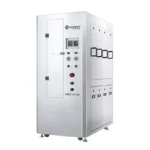
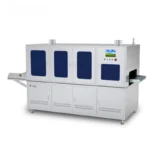
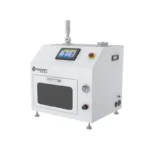
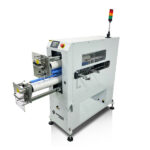
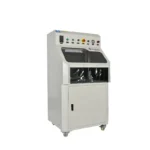
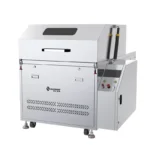
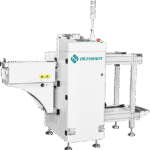


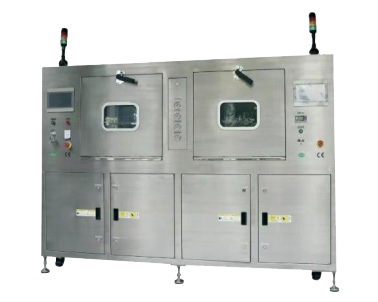
DEZ-C743S Dual-Chamber PCBA Cleaning System
1. The Industry Shift: Why Aqueous Cleaning is Replacing Traditional IPA? In the SMT industry, as components become increasingly miniaturized (such as 01005, BGA, and QFN) and reliability requirements soar, traditional manual wiping with Isopropyl

SMT Production Challenges and Smart Equipment Solutions
In modern electronics manufacturing, SMT production is becoming increasingly complex, requiring higher precision, cleanliness, and process reliability. However, many manufacturers still face critical challenges in cleaning, soldering quality, and rework efficiency. As a professional manufacturer

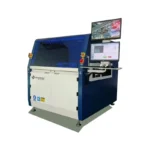
Inline Selective Soldering Machine DEZ-H3900: A Complete Technical Overview
Introduction In modern electronics manufacturing, precision, repeatability, and efficiency are critical—especially for complex PCB assemblies. The DEZ-H3900 Inline Selective Soldering Machine is designed to meet these demands, offering high-accuracy soldering with advanced automation and flexible programming
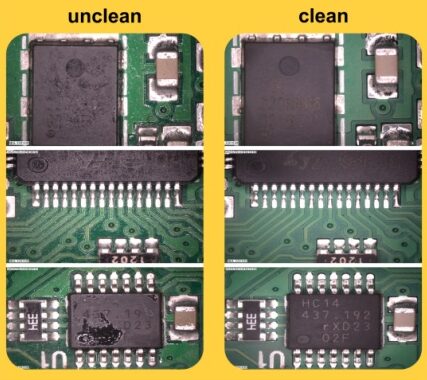
Why Stop Using Isopropyl Alcohol (IPA) to Clean PCBs?
Introduction Since the 1970s, Isopropyl Alcohol (IPA) has been the “old reliable” in the electronics cleaning industry. However, in today’s era of high-precision manufacturing, this veteran method is falling short. Faced with lead-free flux residues

The Role of Pure Water and Wastewater Recovery Systems in SMT Lines
In modern SMT manufacturing, high-precision cleaning is the cornerstone of product reliability. DEZSMART provides a complete closed-loop solution, integrating the DEZ-CS200 DI Water System for high-quality production and the DEZ-F800 Wastewater Recovery Unit for sustainable recycling. 1. DEZ-CS200:

Optimizing SMT Front-End Efficiency: The Synergetic Power of Stencil Printers and PCB Loaders
1. The Gateway to SMT Precision In SMT (Surface Mount Technology) assembly, approximately 60-70% of soldering defects are traced back to the solder paste printing process. To achieve zero-defect printing, the process must begin with