

First, let’s analyze the pros and cons of traditional solvent-based cleaners for PCBA cleaning.
Solvent-based cleaners are categorized into flammable and non-flammable types based on safety performance. Flammable cleaners mainly include hydrocarbons, alcohols, and esters, while non-flammable ones are primarily chlorinated and fluorinated hydrocarbons. Their specific characteristics are as follows:
1.HFC/HCFC (Hydrofluorocarbons/Hydrochlorofluorocarbons)
Advantages: Excellent volatility, fast drying speed after PCBA cleaning.
Disadvantages: High cost, weak cleaning power, non-environmentally friendly, destructive to the atmospheric ozone layer, and will face usage restrictions in the future.
2.Chlorinated Hydrocarbons
Representatives: Dichloromethane (CH₂Cl₂), 1,1,1-Trichloroethane (CH₃CCl₃), etc.
Advantages: Strong ability to remove oil-based contaminants, non-flammable and non-explosive, safe to use.
Disadvantages: High toxicity, poor compatibility with plastics and rubber, easy to corrode circuit boards, and poor chemical stability.
3.Hydrocarbons
Representatives: Gasoline, kerosene, and other hydrocarbon-based solvents.
Advantages: Strong cleaning power for oil-based contaminants; low surface tension enables effective cleaning of PCBA gaps; non-corrosive to metals, low toxicity, and easy to use.
Disadvantages: Highly flammable and explosive, posing potential safety hazards that require strict preventive measures.
4.Alcohols
Representatives: Methanol, Acetone, Isopropyl Alcohol (IPA), etc.
Advantages: Strong solubility for polar contaminants, effective in removing rosin residues; non-corrosive to metals and plastics, and fast-drying.
Disadvantages: High volatility and flammability, leading to potential safety risks during use.
What if we could combine the strengths of solvent-based cleaners while avoiding their drawbacks? Is this feasible? The answer is yes! Water-based cleaners were developed to address exactly this challenge.
What Are Water-Based Cleaners?
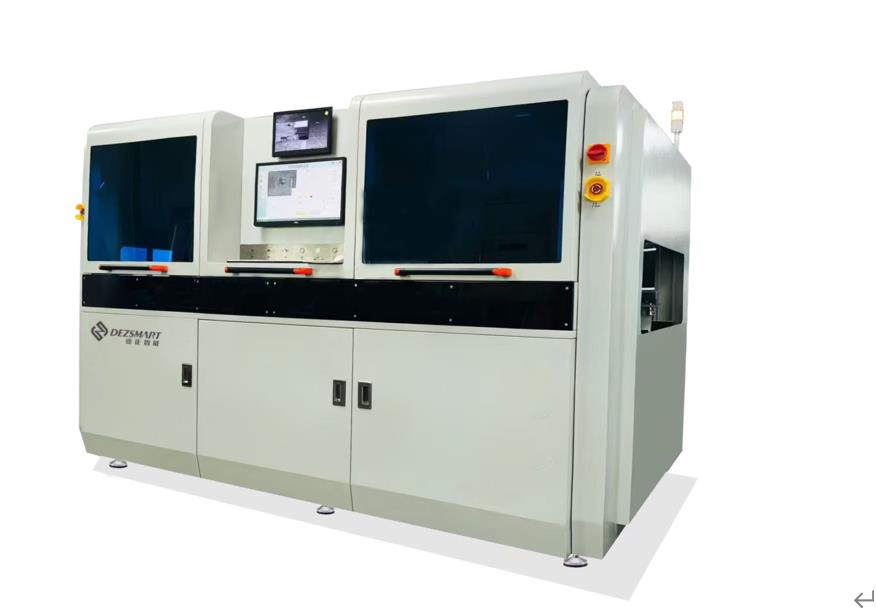
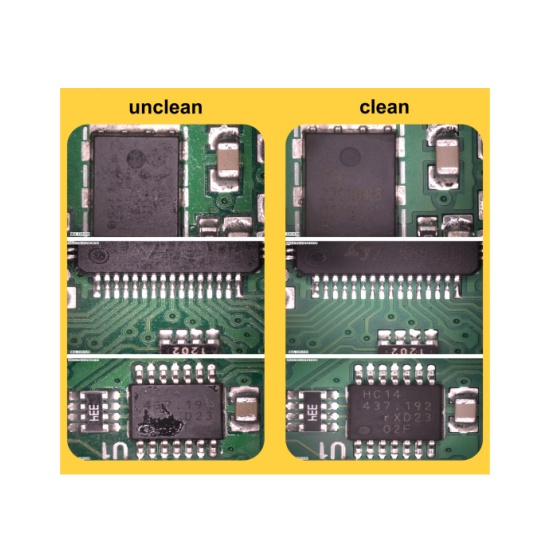
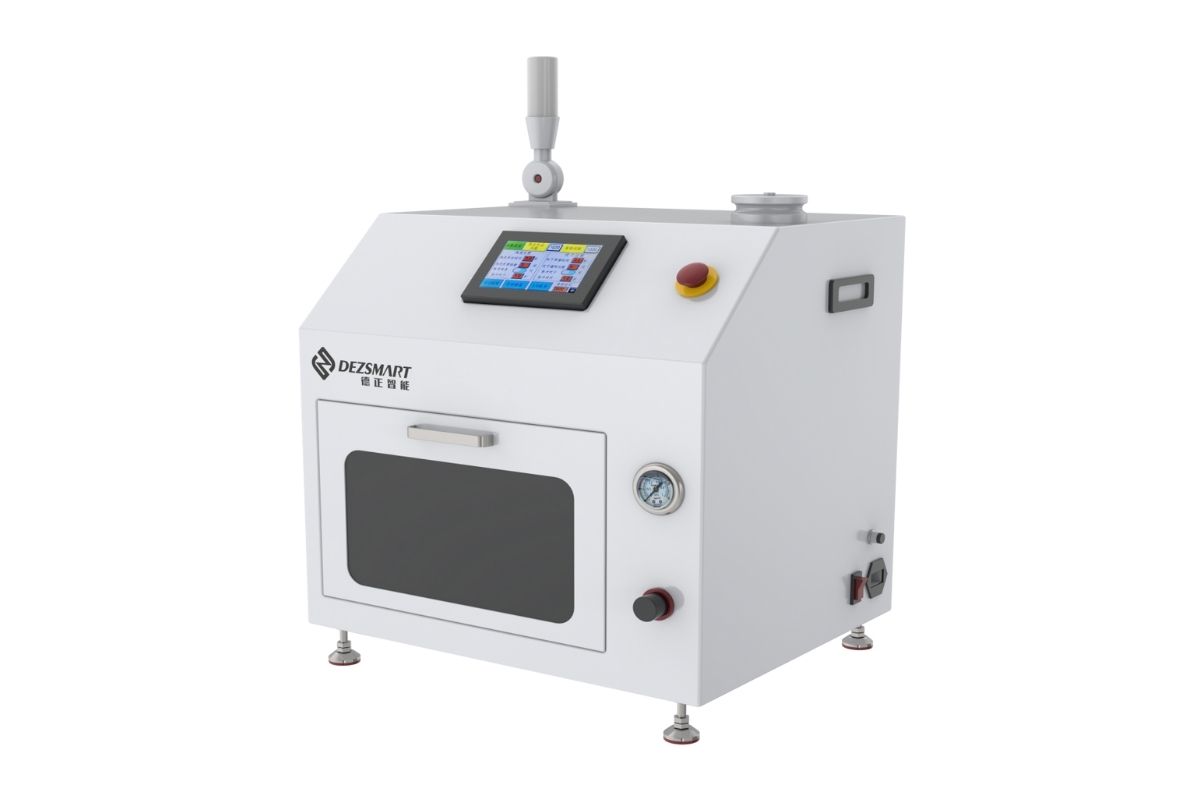
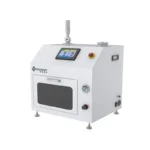
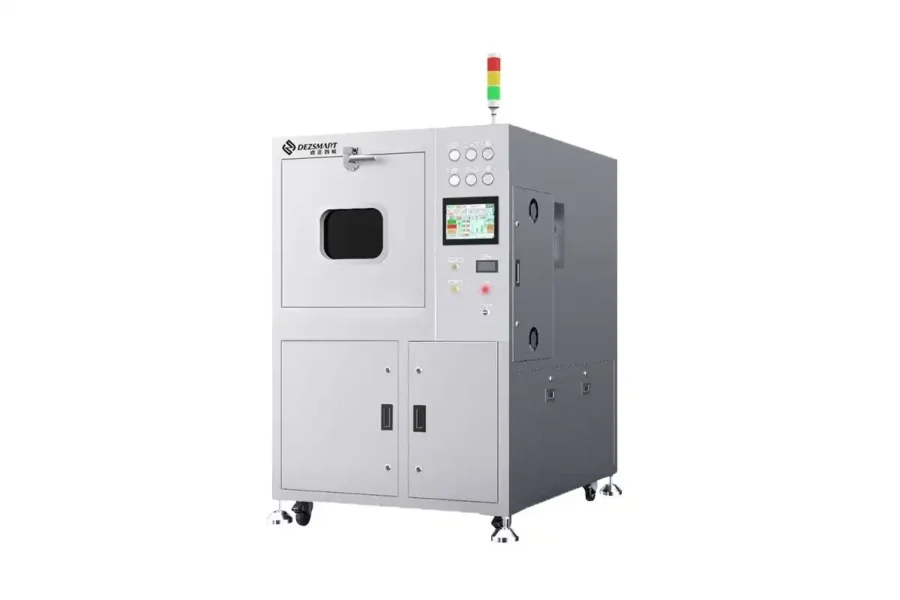
DEZ-C743 PCBA Water-based cleaning machine.The technology uses water as the primary cleaning medium, enhanced with additives such as surfactants, co-solvents, defoamers, and corrosion inhibitors. It removes various contaminants through multiple mechanisms including dissolution, adsorption, and penetration.
Key Advantages of Water-Based Cleaners
Safety & Environmental Friendliness: Non-flammable, non-explosive, and non-toxic, ensuring safe operation and compliance with environmental regulations.
Powerful & Versatile Cleaning: Strong cleaning ability for a wide range of contaminants, with customizable formulas tailored to specific PCBA cleaning requirements. This solves many limitations of solvent-based cleaners, making it highly applicable to diverse scenarios.
Cost-Effective: Low material loss during cleaning and lower overall costs compared to many solvent-based alternatives.
Compatibility with Equipment: Particularly advantageous when used with ultrasonic or spray cleaning systems, outperforming solvent-based cleaners in these setups.
Limitations of Water-Based Cleaners
–Higher requirements for cleaning equipment configuration.
–Generated wastewater requires proper treatment to meet environmental discharge standards.
Conclusion
By comparing solvent-based and water-based cleaners, it is clear that as safety and environmental awareness grow, and as PCBA cleaning needs become more specialized, water-based cleaners stand out for their flexible, customizable formulas. They represent the future development direction of PCBA cleaning technology.
FAQ:
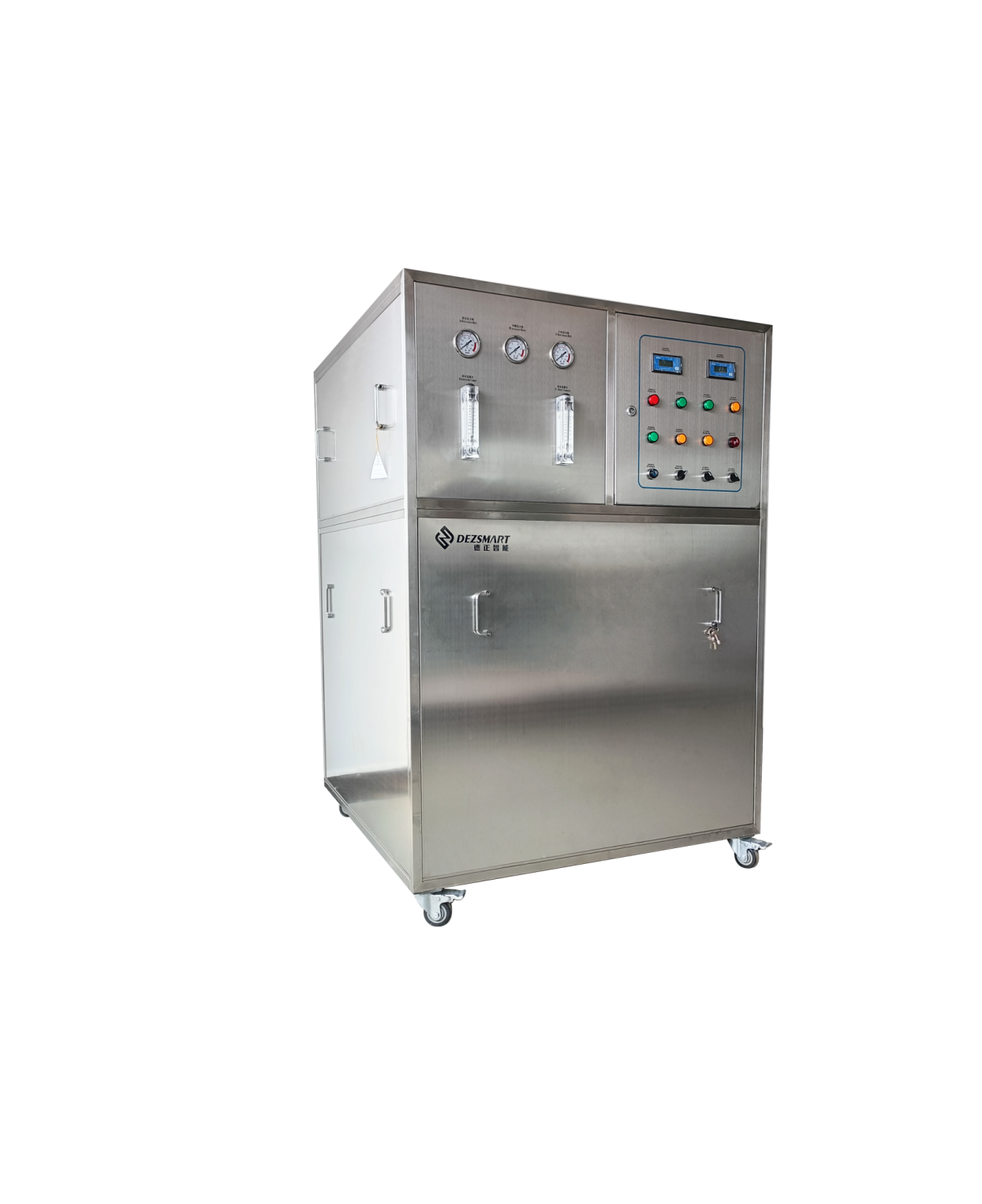
Q1:Does the DEZ-C743 PCBA offline water-based cleaning machine need to be used with a deionizer?
A:PCBA Cleaning machine needs a pure water machine for cleaning for two key reasons:
1.Tap water contains minerals, ions and sediments that leave residues, leading to PCBA corrosion, short circuits or poor insulation.
2.Pure water avoids secondary contamination, maintains PCBA quality and meets strict electronic manufacturing standards.
Q2: What is the warranty period of the cleaning machine? How about after-sales service?
A: We provide a 1-year warranty for Free and lifelong maintenance service. Our after-sales team offers 24-hour online technical support.
Q3:What is the maximum size of PCBA board that a PCBA cleaning machine can clean?
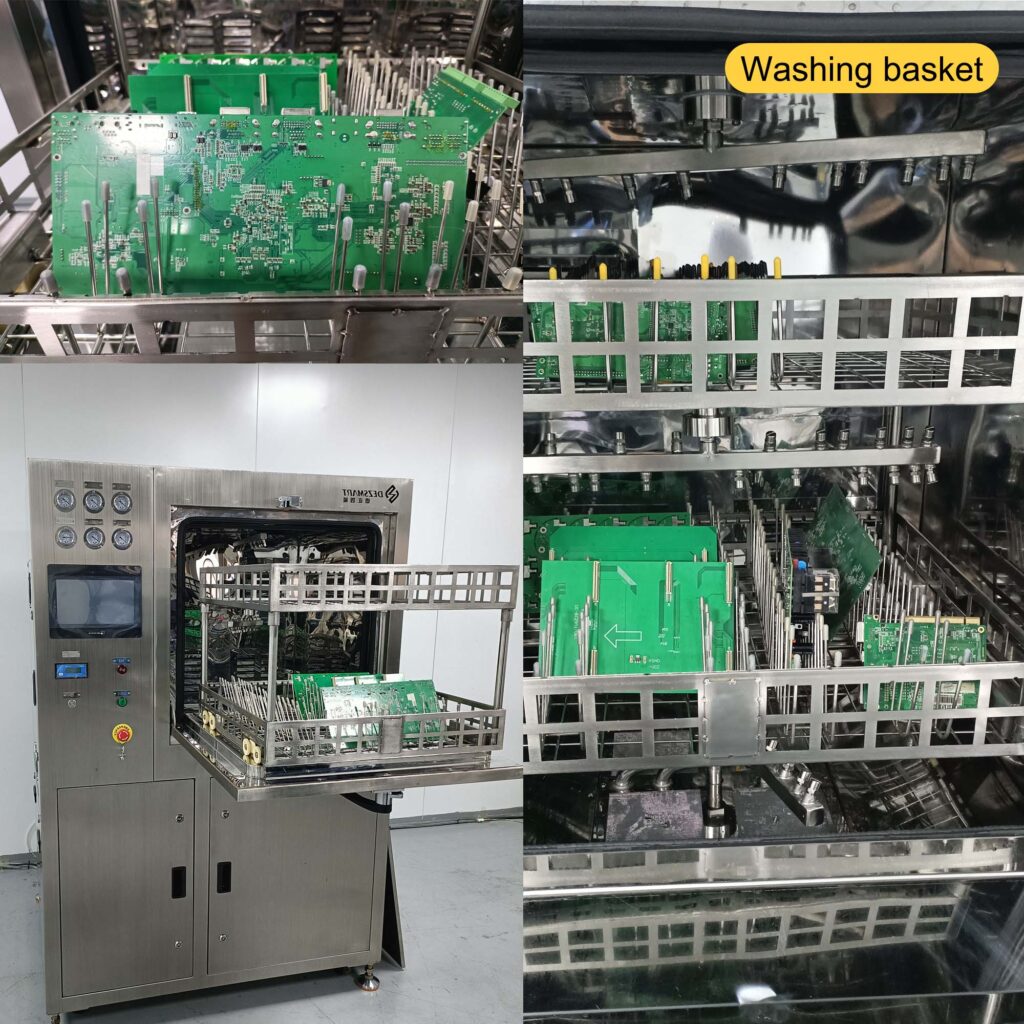
A:Large cleaning capacity: 610mm (L) * 560mm (W) * 100mm (H) double-layer Design,PCBA board dimensions (length × width × height) are required to calculate the per-batch cleaning capacity.