

Introduction
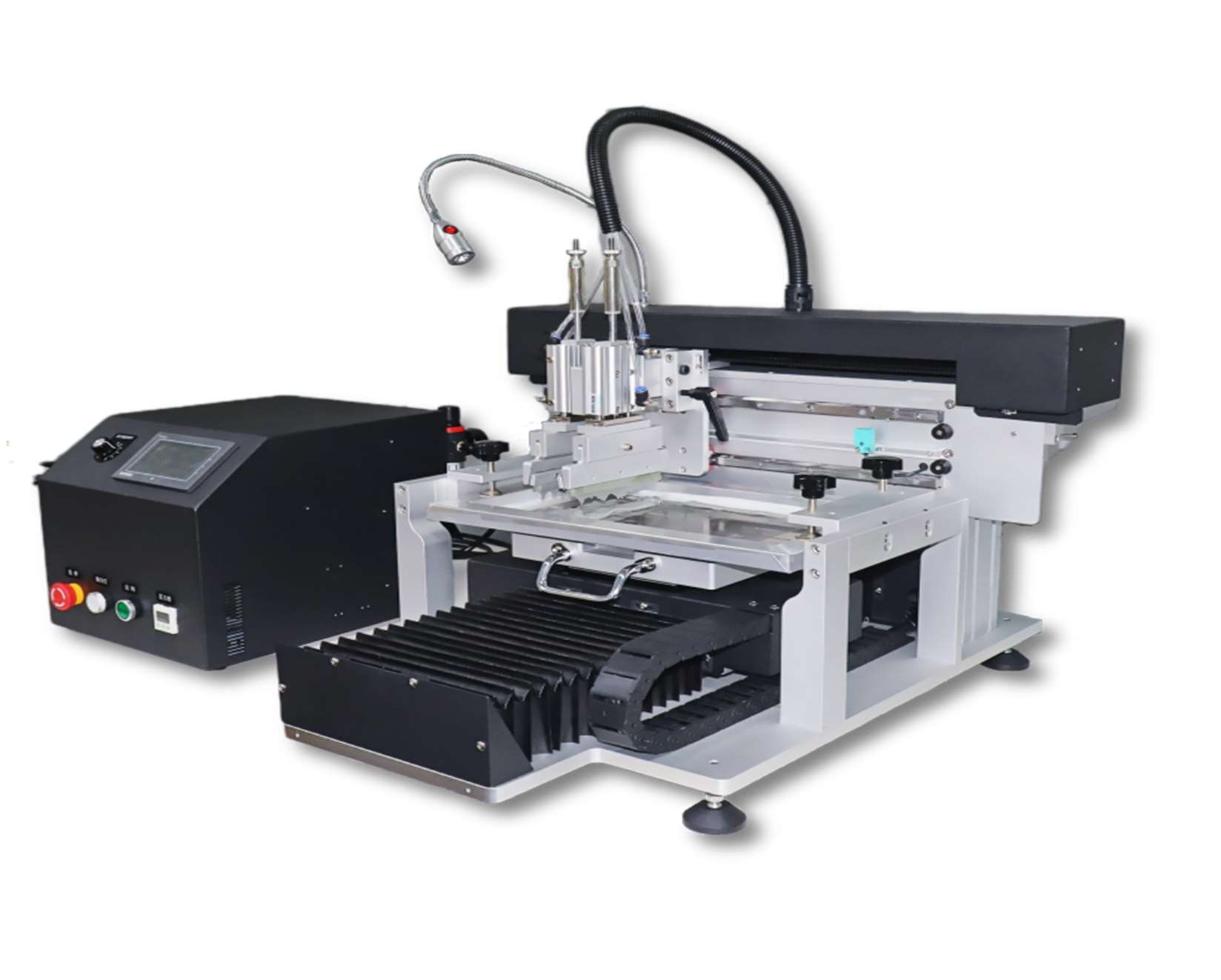
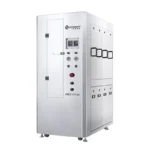
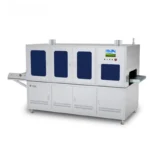
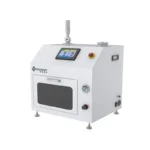
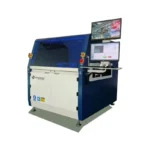
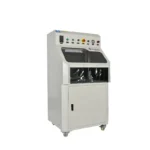
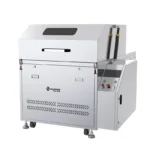
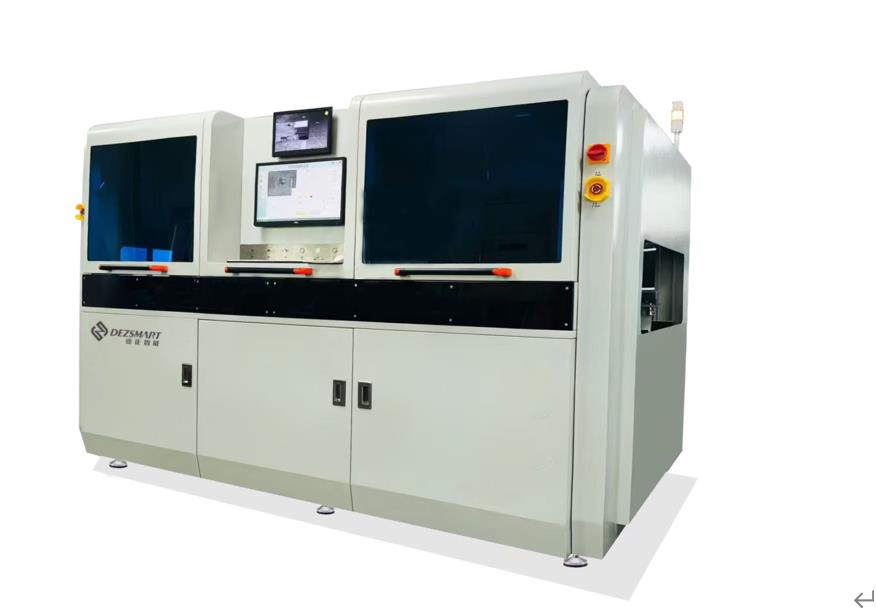
In modern electronics manufacturing, precision, repeatability, and efficiency are critical—especially for complex PCB assemblies. The DEZ-H3900 Inline Selective Soldering Machine is designed to meet these demands, offering high-accuracy soldering with advanced automation and flexible programming capabilities.
This article provides a comprehensive technical overview of the DEZ-H3900, including its working principles, key specifications, and advantages in industrial applications.
What Is Inline Selective Soldering?
Inline selective soldering is an automated process that solders specific components on a PCB without affecting surrounding areas. Unlike wave soldering, it enables:
Precise point-to-point soldering
Reduced thermal stress on sensitive components
Higher flexibility for mixed-technology boards
The DEZ-H3900 integrates flux spraying, preheating, and soldering into a fully automated inline system.
Key Features of DEZ-H3900
1. High-Precision Motion System
The machine adopts a servo motor + linear guide rail system, enabling:
lXYZ axis movement for solder pot and spray valve
lPositioning accuracy up to ±0.1 mm
lStable and repeatable soldering performance
This ensures consistent quality even for complex PCB layouts.
2. Flexible Programming Methods
The DEZ-H3900 supports multiple programming approaches:
lGerber file import
lVisual teaching programming
lImage-based programming
This flexibility allows engineers to quickly adapt to different PCB designs and production requirements.
3. Advanced Selective Spray System
The selective flux spraying system includes:
lXY-axis moving spray valve
lSpot jet valve with 0.13 mm nozzle diameter
lMinimum spray time of 0.1 seconds
lPrecision up to ±0.1 mm
This ensures accurate flux application only where needed, minimizing waste and contamination.
4. Dual-Zone Preheating System
The preheating system uses:
lTop infrared heating
lBottom infrared spotlight heating
lTemperature control accuracy of ±2°C
This design improves soldering quality by activating flux evenly and reducing thermal shock.
5. High-Performance Soldering System
lThe soldering module features:
lXYZ moving solder pot
lPID + SSR temperature control
lTemperature range up to 350°C
lSoldering cycle time: 1–5 seconds per point
It also supports lead-free soldering, meeting modern environmental standards.
6. Nitrogen Protection System (Optional Optimization)
To improve solder quality, the system supports nitrogen protection:
lNitrogen purity: >99.999%
lConsumption: 1.5 m³/h
lDramatically reduces solder dross (down to 0.01 kg/8h)
This results in cleaner joints and lower maintenance costs.
Intelligent Control System
The DEZ-H3900 uses a PC + motion control card architecture, allowing:
lReal-time monitoring
lPCB production tracking
lFault and alarm logging
lParameter storage and recall
It also supports optional MES integration, enabling smart factory connectivity.
Optional Features for Advanced Automation
To meet different production needs, the system offers optional upgrades:
lAutomatic solder feeding
lAutomatic nozzle cleaning
lFlux anti-clogging detection
lNitrogen generator
lSafety door system
lSolder wave peak correction
These options significantly enhance automation and reduce manual intervention.
Application Scenarios
The DEZ-H3900 is widely used in:
lAutomotive electronics
lIndustrial control systems
lConsumer electronics
lCommunication equipment
It is especially suitable for high-mix, low-to-medium volume production environments.
Why Choose DEZ-H3900?
Compared with traditional soldering solutions, the DEZ-H3900 offers:
lHigher precision (±0.1 mm)
lLower defect rates
lReduced solder consumption
lBetter compatibility with complex PCB designs
lScalable automation capabilities
This makes it an ideal choice for manufacturers aiming to improve efficiency and product quality.
FAQ:
1. What types of PCBs can the DEZ-H3900 handle?
The DEZ-H3900 supports PCBs ranging from 30×30 mm to 500×500 mm, with a maximum weight of 20 kg. It is suitable for both simple and complex multi-layer boards.
2. Does the machine support lead-free soldering?
Yes, the system fully supports lead-free soldering with a maximum temperature of 350°C and precise PID temperature control, ensuring compliance with environmental standards.
3. How does nitrogen protection improve soldering quality?
Nitrogen protection reduces oxidation during soldering, resulting in:
lCleaner solder joints
lLower dross generation
lImproed reliability
It is particularly beneficial for high-reliability industries such as automotive and aerospace electronics.