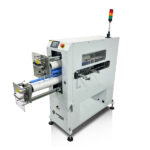
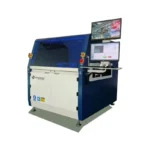
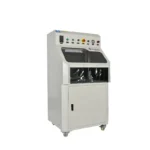
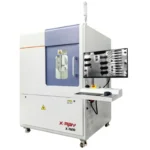











In the fast-paced world of surface mount technology (SMT), efficiency and precision are paramount. While pick-and-place machines often grab the spotlight, the unsung heroes of a seamless production line are the SMT Handling Machines. From the initial loading to the final inspection and unloading, these auxiliary devices ensure a continuous, damage-free flow of PCBs.
In this guide, we explore the essential roles and technical specifications of Inspection Conveyors, Loaders, and Unloaders.
1. SMT Inspection Conveyors: The Bridge to Quality Control
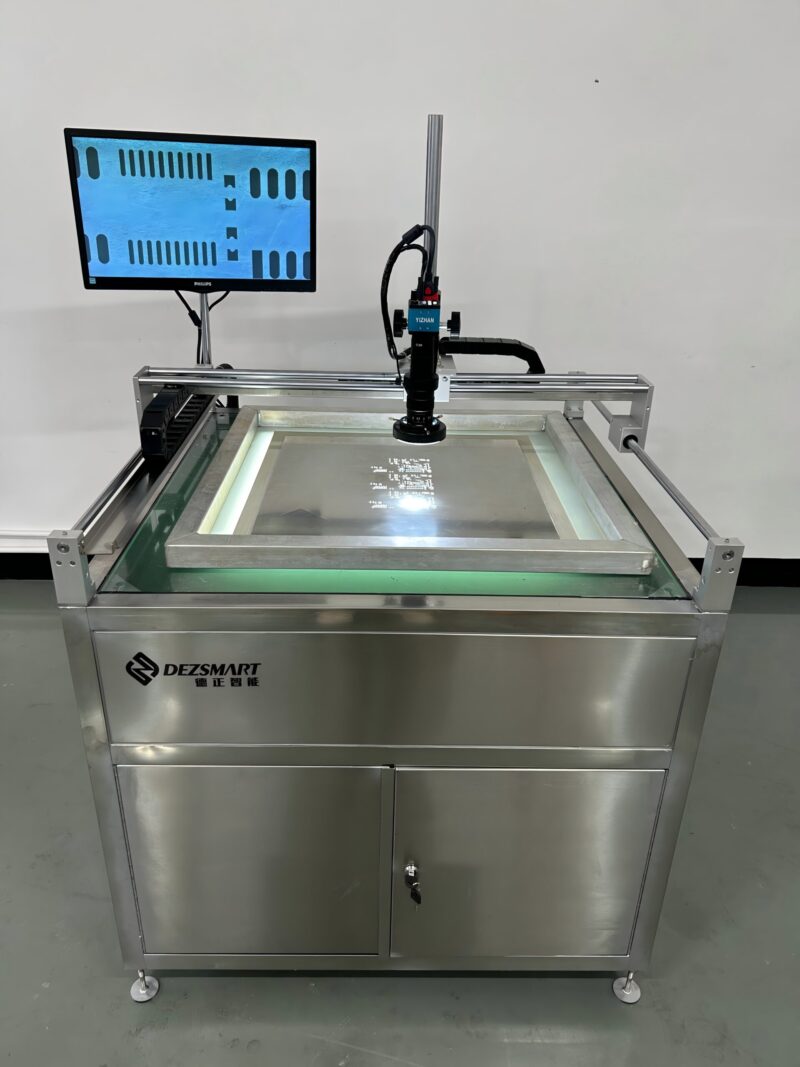
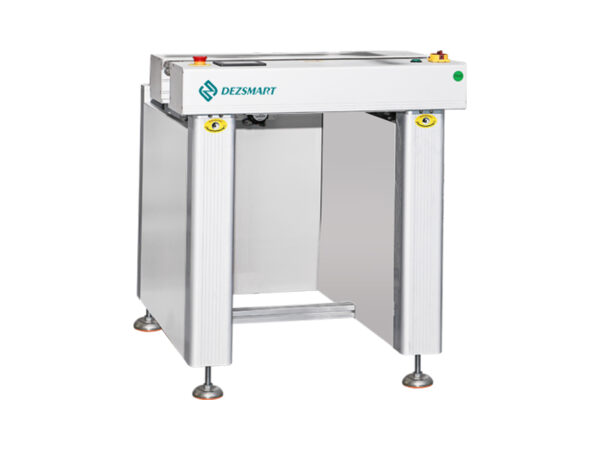
An Inspection Conveyor (also known as a link conveyor) is more than just a bridge between two machines. It provides a stable platform for buffering and manual visual inspection.
Key Features:
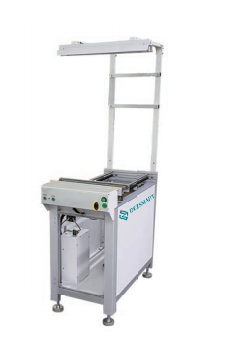
Ergonomic Design: Features a weighted structure for stability and an ergonomic layout to reduce operator fatigue during manual checks.
Intelligent Modes: Equipped with both Inspection and Automatic modes to suit different production needs.
Precision Control: Utilizes multi-zone induction for accurate board positioning and variable speed control (0.5-20 m/min).
Safety & ESD Protection: High-end models feature anti-static (ESD) belts and durable laser-cut stainless steel structures to prevent component damage.
2. SMT Magazine Loaders: Starting the Line with Precision
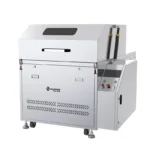
The Standard Magazine Loader is designed to automatically feed PCBs from a magazine into the production line, ensuring a steady start to the SMT process.
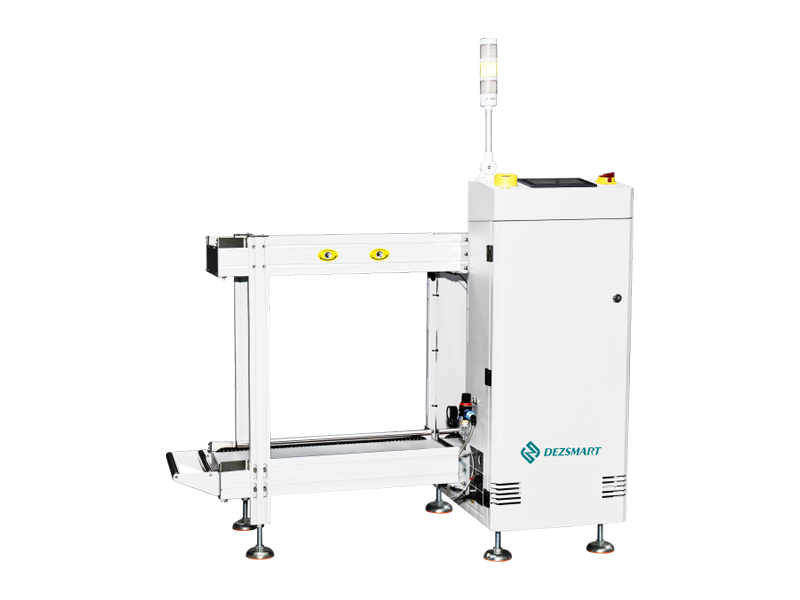
Technical Highlights:
Speed & Efficiency: Capable of feeding boards in approximately 6 seconds, with a magazine replacement time of about 30 seconds.
Versatility: Offers adjustable stepper pitches (10, 20, 30, 40 mm) to accommodate various PCB densities.
Advanced Control: Features easy-to-use LED membrane switches or optional touchscreens for intuitive operation.
PCB Protection: A specialized pneumatic circuit design ensures that boards are pushed gently, preventing any physical damage.
3. SMT Magazine Unloaders: The Final Guard
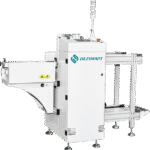
At the end of the line, the Magazine Unloader collects processed PCBs back into magazines for the next stage of assembly or testing.
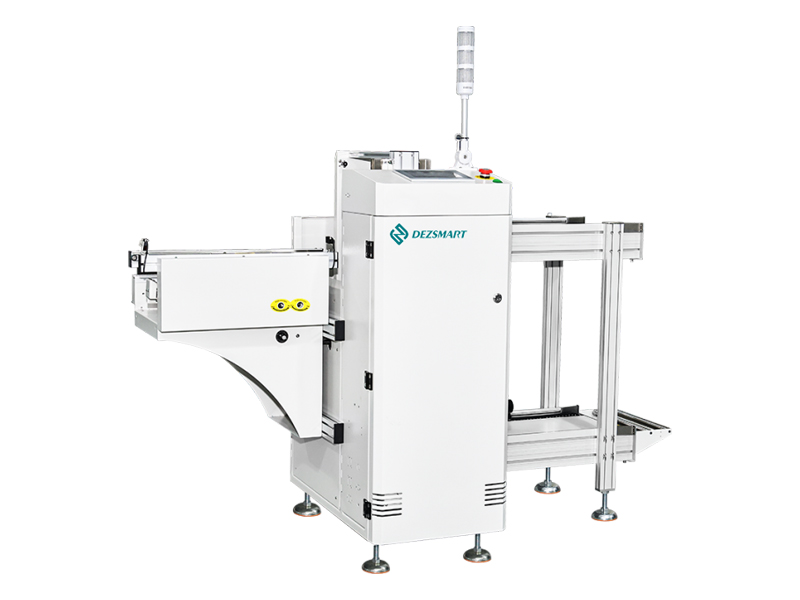
Performance Benefits:
Robust Stability: Sturdy structural design combined with upper and lower pneumatic clamps ensures accurate magazine positioning every time.
Full SMEMA Compatibility: Seamlessly integrates with other SMT equipment via the standard SMEMA interface.
Fault Detection: Includes automatic fault code detection and display, minimizing downtime through rapid troubleshooting.
Conclusion
Investing in high-quality SMT handling equipment is not just about moving boards; it’s about protecting your investment and maximizing throughput. Whether you need a Compact Loader to save workshop space or a Dual Lane Conveyor for high-volume lines, selecting the right handling solution is critical for SMT success.
FAQ
Q1: What is the benefit of an “L-Type” Loader or Unloader?
A: L-Type (Right-Angle) machines are designed with a 90-degree conveyor layout. This allows them to be placed in workshop corners that are often underutilized, effectively saving floor space while maintaining full production capacity.
Q2: How do SMT handling machines prevent damage to delicate PCBs?
A: These machines utilize several protective technologies:
Anti-static (ESD) belts to prevent electrostatic discharge.
Specalized pneumatic air circuits in loaders and unloaders that control the pushing force to ensure PCBs aren’t damaged during transfer.
Precise induction sensors that ensure accurate stopping positions.
Q3: Are these machines compatible with equipment from different manufacturers?
A: Yes. Most professional SMT handling machines, including those mentioned above, are SMEMA compatible. This industry-standard interface allows them to communicate and sync with almost any other SMT machine on the line, regardless of the brand.