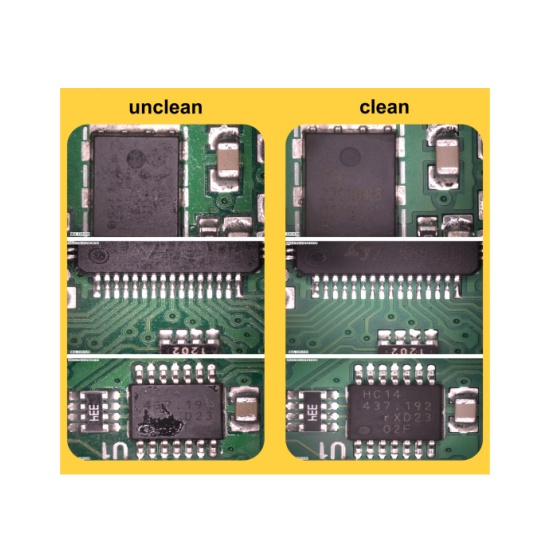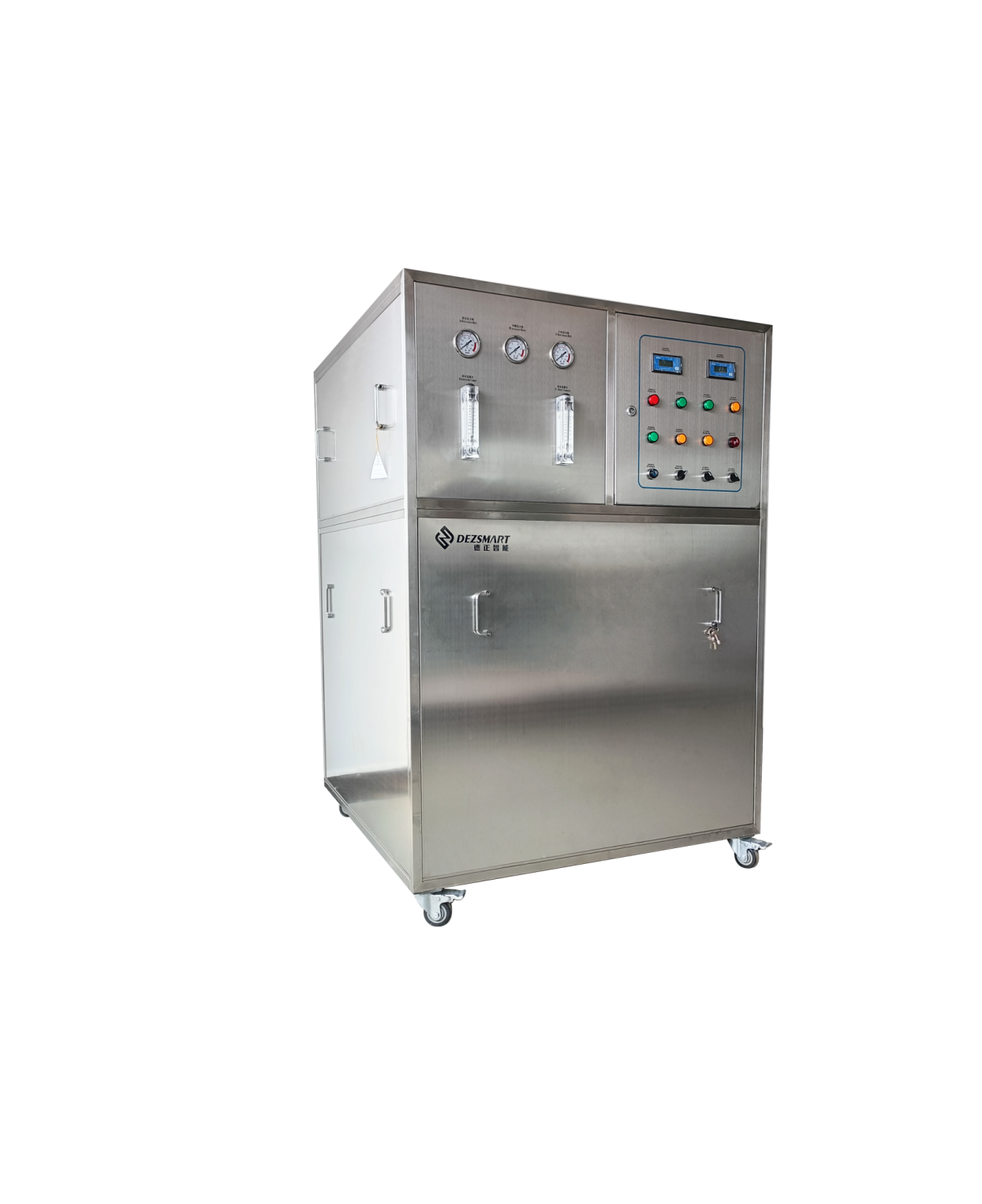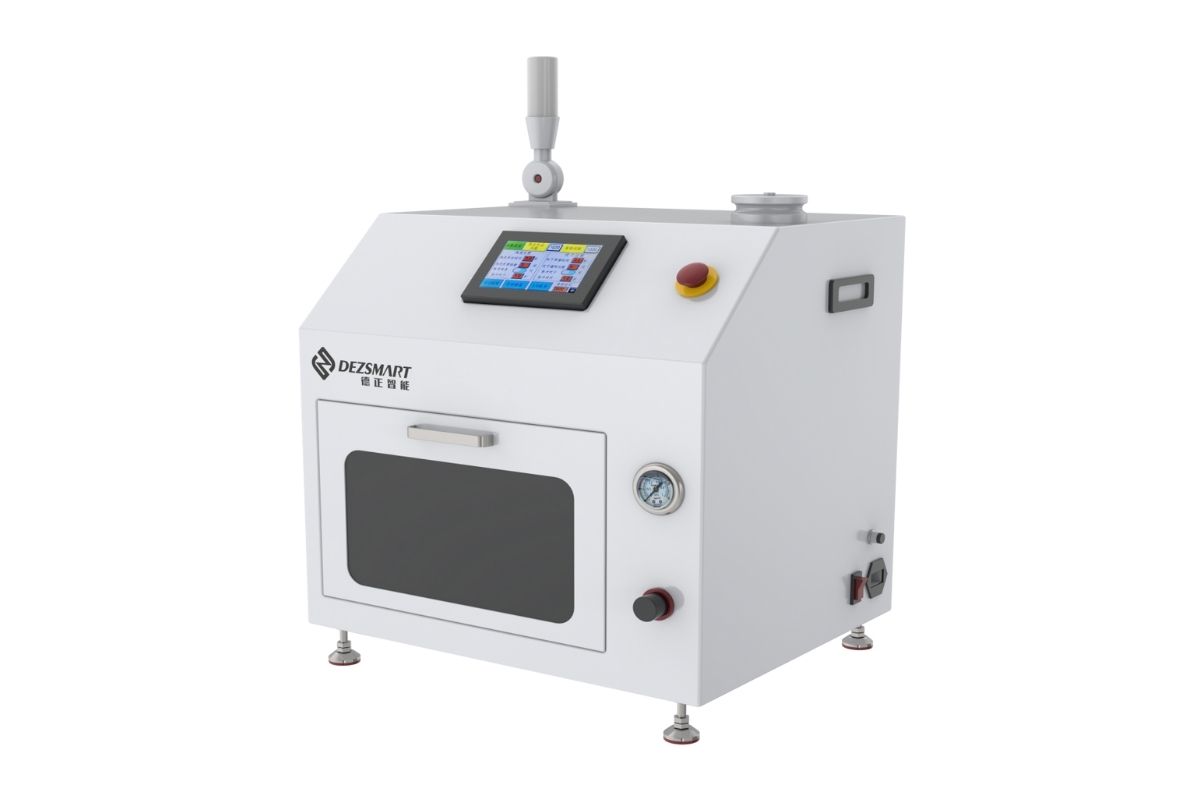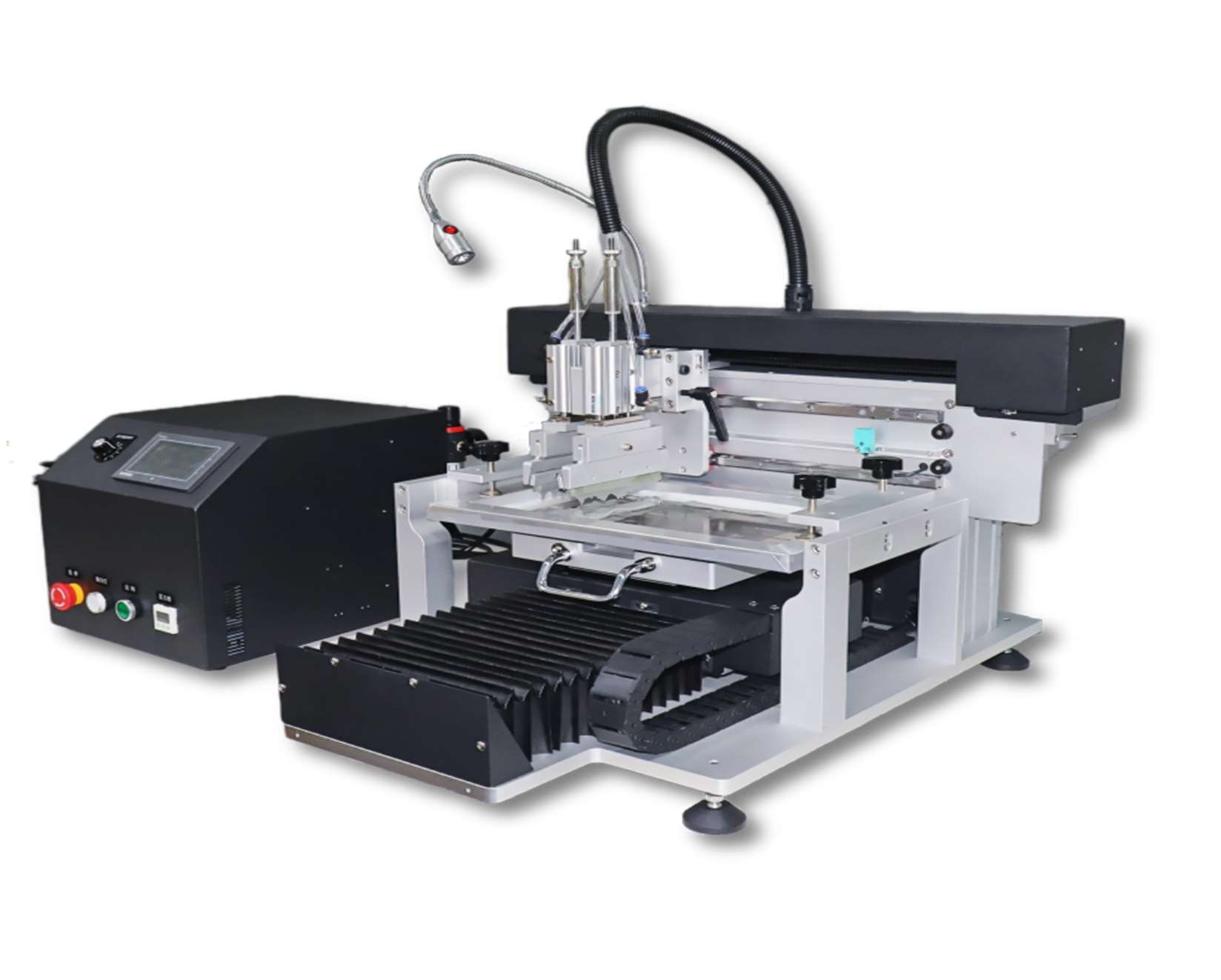

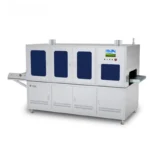
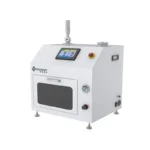

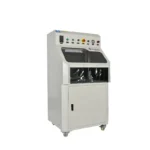
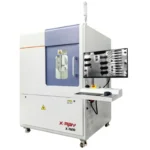


In modern manufacturing, cleanliness equals reliability. Traditional cleaning methods are often too slow, messy, or abrasive. Dry Ice Blasting offers a revolutionary “dry” process that cleans precision electronics and industrial machinery without chemicals, water, or surface wear.
1. Technical Principle:
Dry ice blasting utilizes solid CO2 pellets accelerated to supersonic speeds to clean surfaces. The cleaning mechanism is three-fold:
Kinetic Energy: Pellets strike the contaminant, cracking the layer.
Thermal Shock: The extreme cold (-78.5℃) makes the contaminant brittle, loosening its bond to the substrate.
Sublimation: Upon impact, dry ice instantly turns into gas, expanding 800 times in volume, creating “micro-explosions” that lift the dirt away.
2. Targeted Contaminants
Dry ice blasting is highly effective at removing a wide range of industrial “dirt” without damaging the substrate.
Flux & Solder Paste: Carbonized flux, resin residues, and misplaced solder paste.
Grease & Oils: Heavy industrial lubricants, motor oils, and anti-rust coatings.
Carbon Buildup: Baked-on carbon deposits from high-temperature ovens.
Adhesives: Glues, tapes, and protective films residue.
Production Byproducts: Plastic outgassing residue, weld slag, and mold release agents.
3. Application Fields
A. SMT & Electronics
Reflow Ovens: Cleaning flux from chains, rails, and fans while hot.
WaveSoldering: In-situ cleaning of conveyor fingers and dross.
Tooling: Cleaning solder stencils, pallets, and reflow fixtures.
B. Automotive & Molds
Injection Molds: Removing residues from precision plastic or rubber molds.
E-Moility: Cleaning high-voltage battery housings and ECU casings.
C. Power & Electrical
Energized Equipment: Cleaning insulators, bushings, and switchgear (non-conductive).
Generators: Removing carbon dust and oil from windings.
D. Food & Pharma
Production Lines: Cleaning conveyors and ovens without water or chemicals (FDA approved)
4.Pain Points VS. Dry Ice Solution
Traditional Pain Point | Dry Ice Advantage |
Long Downtime: Needs cooling/disassembly. | In-Situ: Clean while machines are hot. |
Surface Damage: Abrasive tools wear molds. | Non-Abrasive: Safe for gold and aluminum. |
Secondary Waste: Messy chemicals/water. | Zero Residue: CO2 disappears into gas. |
Conductivity Risk: Water causes shorts. | Non-Conductive: Safe for electrical parts. |
5. Success Case: SMT Line Efficiency
A major EMS provider reduced their reflow oven maintenance from 8 hours of manual scrubbing to just 1 hour of dry ice blasting. They eliminated chemical waste and increased production uptime by 10%
6. FAQ:
Q: Will dry ice blasting damage the substrate?
A: No. Because dry ice pellets are relatively soft, the process is non-abrasive. It removes the dirt without altering the surface dimensions of the part.
Q: Is it safe for indoor use?
A: Yes, but proper ventilation is required. Since CO2 displaces oxygen, we recommend using CO2 monitors in confined spaces.
Q: How do I store the dry ice pellets?
A: They should be stored in insulated chests. Even then, sublimation occurs at about 2%-10% per day, so it’s best to use them fresh.