

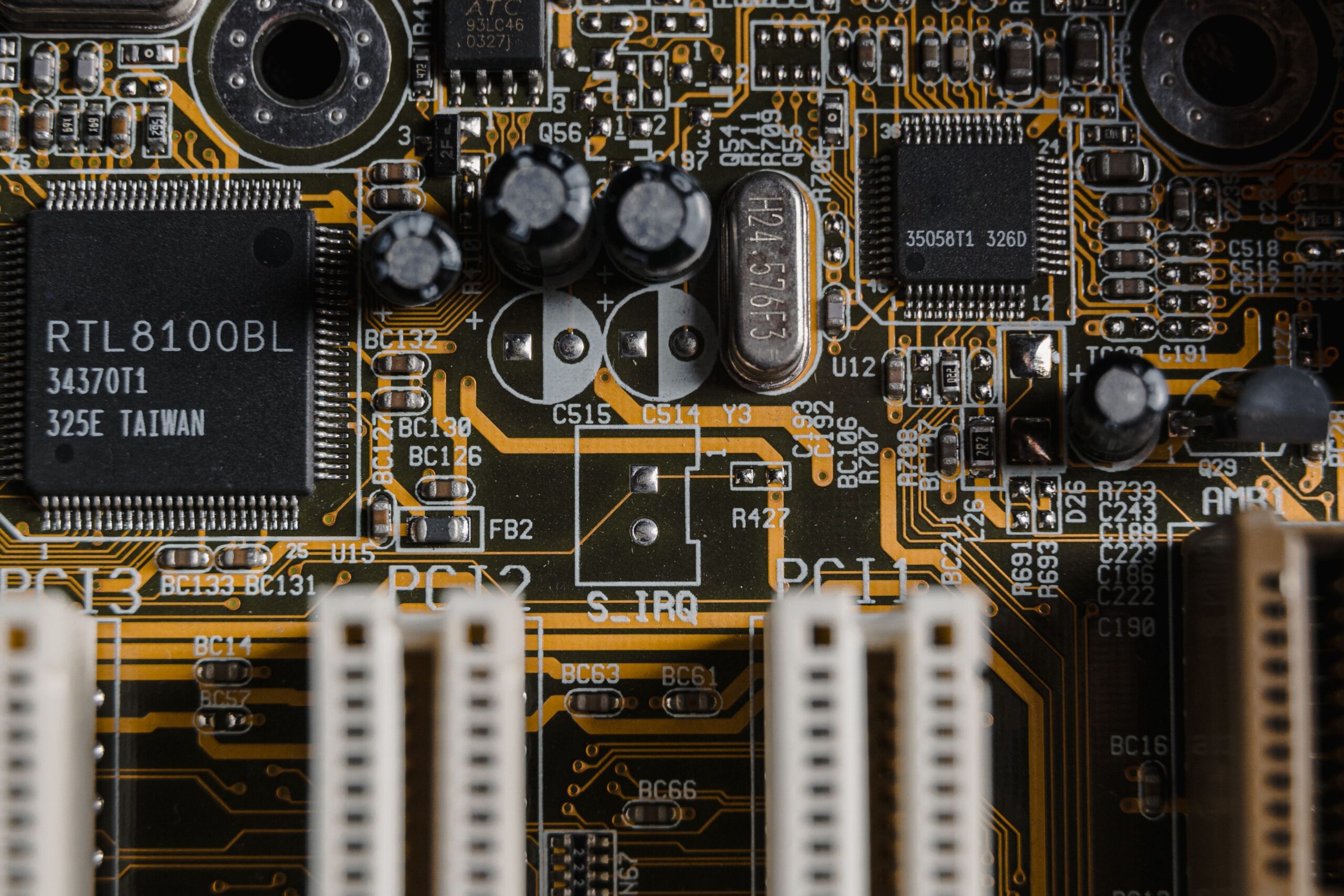
A PCBA can look perfectly clean and still contain residues that affect long-term reliability.
After soldering and assembly, a board may carry flux residues, ionic contamination, dust, handling residues and other process-related contaminants. Depending on the product design and operating environment, these residues can contribute to corrosion, leakage current, poor conformal coating adhesion and other reliability concerns.
For EMS providers and electronics manufacturers, PCBA cleaning is therefore more than a cosmetic step. It is a process-control activity that can help reduce contamination-related risks and improve the consistency of downstream manufacturing processes.
But how clean does a PCBA actually need to be? Which cleaning method should you use? And how can you verify the result?
What Is PCBA Post-Assembly Cleaning?
PCBA post-assembly cleaning is the controlled removal of unwanted residues and contaminants from an assembled printed circuit board. Unlike cleaning a bare PCB, it has to deal with component packages, connectors, under-component areas and other hard-to-reach locations.
The appropriate process depends on flux chemistry, soldering process, component density, material compatibility, operating environment, downstream steps such as conformal coating, and customer-specific cleanliness requirements. No single process suits every PCBA. The objective is a validated process that removes the contaminants that matter without damaging the assembly.
Where Does PCBA Contamination Come From?
Contamination can enter an electronics manufacturing process at several different stages.

Flux and Soldering Residues
Flux is an essential part of many soldering processes, but residues can remain after reflow, wave soldering or selective soldering.
Depending on the flux chemistry and process conditions, residues may contain organic materials and potentially ionic species. If these residues are not compatible with the product or its operating environment, they may contribute to electrical or reliability problems.
Soldering can also leave other process residues that need to be considered when defining a cleaning process.
Handling and Assembly Contamination
Manual handling can introduce fingerprints, skin oils and other organic contamination.
Dust and particles can also settle on the board during assembly.
Production fixtures, pallets, tools and other equipment can become contamination sources when they are not properly maintained. In some cases, cleaning the PCBA alone is not enough—the equipment that comes into contact with the board must also be kept under control.
Environmental Contamination
Humidity and airborne particles can become more significant in demanding electronics applications.
Moisture is particularly important when ionic contamination is present. Under suitable electrical and environmental conditions, ionic residues can contribute to electrochemical processes that affect insulation resistance and long-term reliability.
This is why contamination control should be considered as part of the overall manufacturing process rather than simply a final cleaning operation.
What Problems Can PCBA Contamination Cause?
The effect of contamination depends on the residue type, its concentration, location, board design and operating environment.
Several common risks deserve attention.
Electrical Reliability
Ionic contamination combined with moisture can contribute to leakage current and electrochemical migration under suitable conditions.
For high-reliability electronics, controlling potentially mobile ionic residues can therefore be an important part of process validation.
Corrosion
Certain residues can contribute to corrosion of metal surfaces and component terminations, particularly when moisture and other environmental factors are present.
For products expected to operate for long periods, reducing unnecessary contamination can help control one potential source of reliability risk.
Conformal Coating Adhesion
Conformal coatings are designed to protect electronic assemblies from environmental exposure.
However, contamination on the PCB surface can interfere with coating adhesion and may contribute to defects such as localized delamination or poor coverage.
If conformal coating is part of the manufacturing process, surface preparation and cleanliness should be evaluated before coating.
Difficult Inspection and Rework
Residues can make certain inspection and rework operations more difficult.
A controlled cleaning process can provide a more consistent surface condition, helping manufacturers establish a repeatable downstream process.
PCBA Cleaning Methods
|
Method |
Typical Application |
Main Advantage |
Key Consideration |
|
Water-Based |
Flux & ionic residues |
Repeatable and suitable for automation |
Chemistry & wastewater management |
|
Solvent |
Selected organic residues |
Strong dissolving capability |
Compatibility & VOC |
|
Ultrasonic |
Complex geometries |
Cavitation-assisted cleaning |
Component sensitivity |
|
Dry Ice |
Selected surface contamination |
No conventional liquid bath |
ESD & process validation |
Water-based cleaning uses water with a suitable cleaning chemistry to remove flux residues and other contaminants. Deionized water is commonly used for rinsing because of its low ionic content, but it is not a universal solution on its own. The chemistry must be matched to the residue being removed.
Solvent cleaning dissolves certain organic contaminants and flux residues. It can be effective for specific applications, but material and component compatibility, VOC emissions, worker safety and waste handling all need to be considered.
Ultrasonic cleaning uses cavitation to reach complex geometries and difficult areas. For assembled electronics it must be evaluated carefully, since component construction, package type and acoustic energy all influence whether it is appropriate.
Dry ice cleaning uses accelerated CO₂ particles to remove selected surface contaminants, and the medium sublimates after impact. It is not a universal replacement for aqueous or solvent cleaning; ESD control, particle impact and component sensitivity must be evaluated first.
The best cleaning technology is the one that matches the actual contamination and the requirements of the PCBA.
Why Automation Matters in PCBA Cleaning
Manual cleaning may be suitable for prototypes, repair work or very low-volume production. As volume increases, consistency becomes difficult: different operators use different amounts of chemistry, cleaning times and mechanical action, so results become less repeatable.
An automated system standardizes the process. A typical cycle looks like this:
Loading → Cleaning → Rinsing → Drying → Unloading
Parameters such as cleaning time, temperature, spray pressure, rinse conditions and drying can be controlled, which makes the process more repeatable and less dependent on operator technique.
Automated Water Based PCBA Cleaning

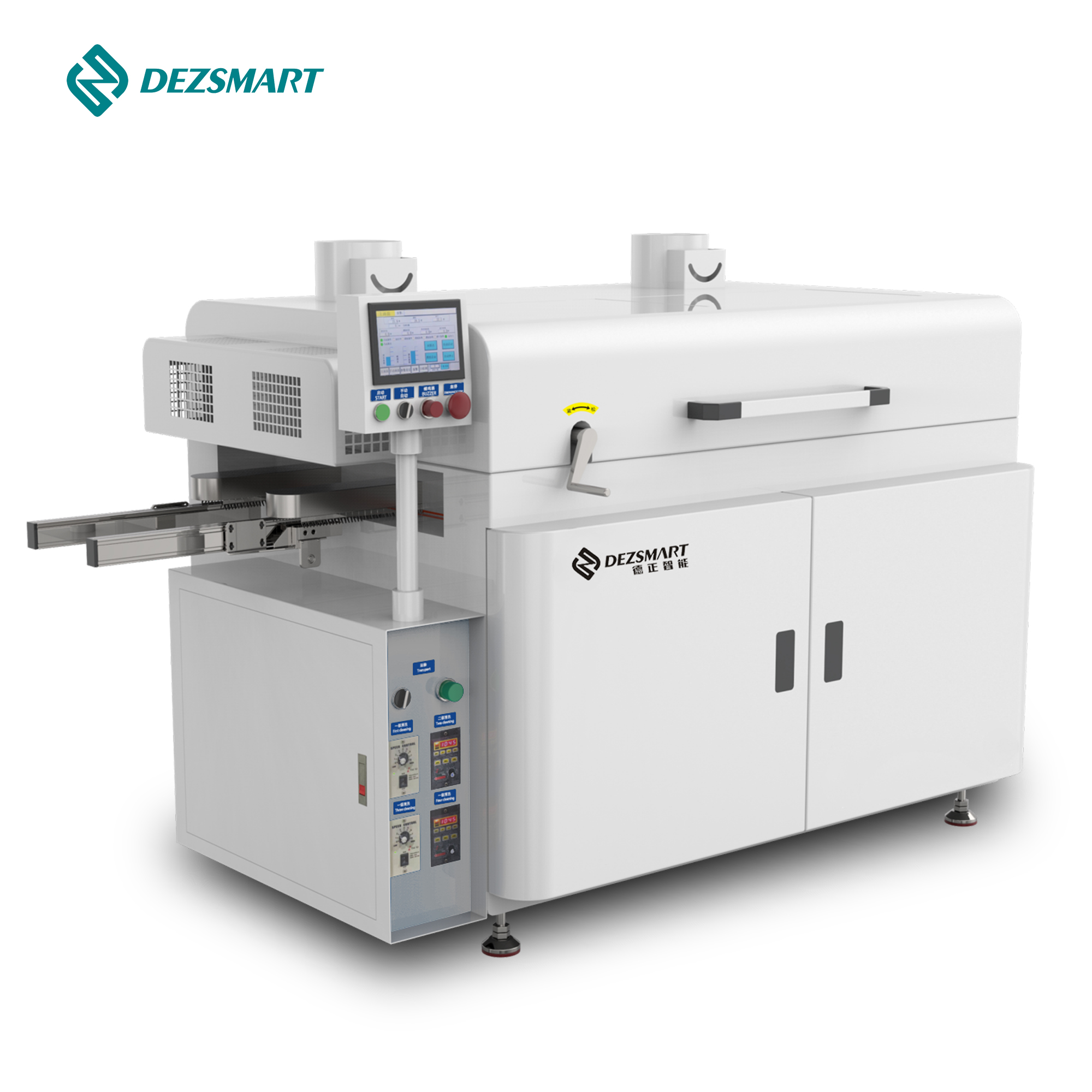
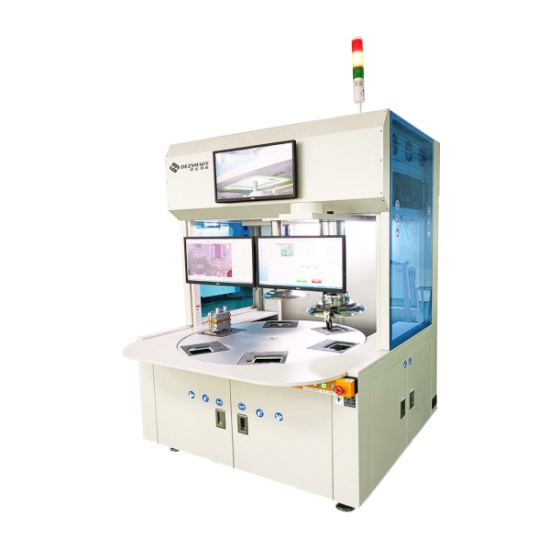
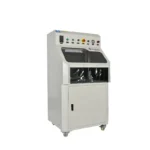
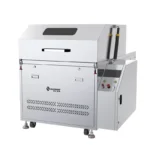
DEZSMART’s C743 PCBA Cleaning Machine is designed for automated water-based cleaning of assembled PCBs. It integrates cleaning, rinsing and drying into one controlled process, helping manufacturers move away from inconsistent manual cleaning when production requirements justify automation.
The exact chemistry and process parameters should still be selected according to the flux type, PCB design, component population and required cleanliness level.
What to Consider Before Choosing a Cleaning Machine
Start with the PCB, not the machine
|
Factor |
Why It Matters |
|
PCB size and thickness |
Determines the cleaning chamber, fixture configuration and handling |
|
Component density |
Affects spray access and cleaning coverage |
|
Flux and contamination type |
Determines the appropriate cleaning chemistry and technology |
|
Production volume |
Helps determine the required level of automation |
|
Cleanliness target |
Defines how the process should be validated |
|
Downstream process |
Conformal coating and other steps may add cleanliness requirements |
This evaluation prevents buying equipment that can technically clean a board but does not suit the actual production process.
How Is PCBA Cleanliness Verified?
Cleaning is only one part of the process. Manufacturers also need to confirm that the result meets product and customer requirements.
- ROSE (Resistivity of Solvent Extract). A method historically used to screen for extractable ionic contamination, useful for certain process-monitoring applications. It does not identify every type of contamination and is not a complete measure of cleanliness. IPC’s approach to ionic cleanliness has also changed over successive revisions, so an old universal ROSE limit should not be treated as a current one-size-fits-all criterion.
- Ion chromatography (IC). Identifies and quantifies specific ions such as chloride and bromide. It is especially useful when you need to investigate the source or composition of contamination rather than run a general screening test.
- Surface insulation resistance (SIR). Evaluates electrical insulation performance under controlled environmental and electrical conditions. It is not simply a cleanliness measurement; it helps assess how materials and contamination influence electrical reliability.
A cleaning process should be judged not only by how clean a board looks, but also by whether it meets the reliability requirements of the application.
What Standards Should You Consider?
There is no single universal cleanliness number for every PCBA. Requirements should be set according to the product, materials, process, environment and customer. Two widely used IPC documents are relevant:
- IPC-A-610— Acceptability of Electronic Assemblies
- IPC J-STD-001— Requirements for Soldered Electrical and Electronic Assemblies
They are often used together, but neither should be read as a universal “PCBA cleaning standard.” The cleanliness target for a specific program should be defined and validated against its actual requirements.
When Does Post-Assembly Cleaning Matter Most?
Contamination control runs through the whole process: bare PCB surface condition before assembly, clean handling and fixtures during assembly, and post-assembly cleaning for soldering and handling residues. Post-assembly cleaning becomes particularly relevant when:
- The product has demanding reliability requirements
- Flux residues are not acceptable for the application
- Conformal coating will be applied
- The assembly operates in humid or harsh environments
- The customer specifies a cleanliness requirement
- The product contains contamination-sensitive interfaces or components
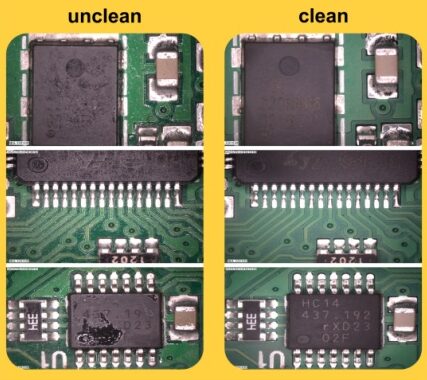
A Clean-Looking PCBA Is Not Always a Clean PCBA
One of the biggest mistakes in PCBA cleaning is relying only on visual inspection. A board can look clean while still carrying ionic or organic residues that are hard to see. A sound strategy connects three elements:
Contamination → Cleaning Process → Verification
First, identify what needs to be removed. Second, choose a cleaning process compatible with the board and its components. Third, verify that the process consistently achieves the required result.


Final Thoughts
PCBA cleaning is not about making a circuit board look better. It is about controlling contamination that may affect manufacturing processes, electrical performance and long-term reliability. Water-based, solvent, ultrasonic and dry ice cleaning each have their own advantages and limitations, and as volume and quality requirements grow, automation helps deliver more repeatable results with less reliance on manual operation.
DEZSMART provides automated PCBA cleaning solutions, including the C743 water-based PCBA cleaning machine, for electronics manufacturers looking to establish a more controlled and repeatable cleaning process.
If you are evaluating PCBA cleaning equipment, start with your PCB dimensions, contamination type, flux chemistry, production volume and cleanliness requirements. Once these are clear, it becomes much easier to choose the right technology and equipment configuration.