









Introduction
Since the 1970s, Isopropyl Alcohol (IPA) has been the “old reliable” in the electronics cleaning industry. However, in today’s era of high-precision manufacturing, this veteran method is falling short. Faced with lead-free flux residues and micro-gap components, traditional manual IPA wiping is not only inefficient but also hides significant safety and compliance risks.
1. The Cleaning Power Gap: Kb Value vs. Mechanical Impingement
The cleaning efficacy of IPA is hitting a ceiling. With a Kauri-Butanol (Kb) value of approximately 50, it struggles to dissolve modern high-solid lead-free fluxes and “no-clean” residues.
The Dezsmart Solution:
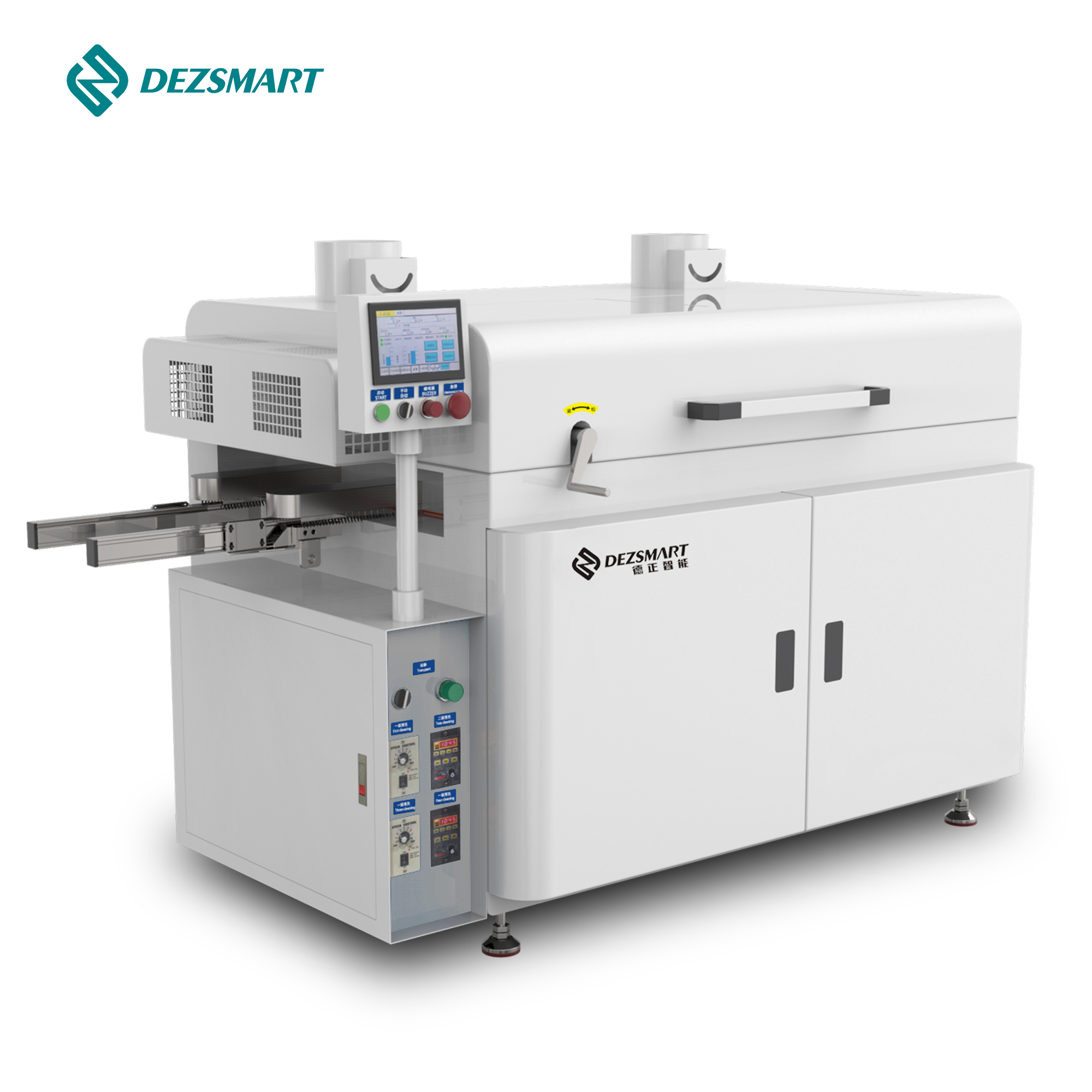
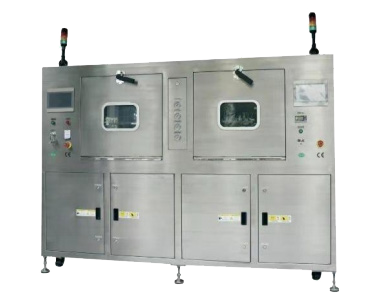
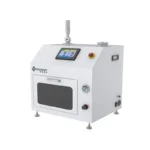
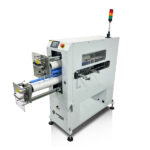
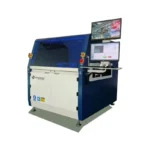
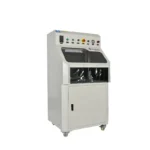
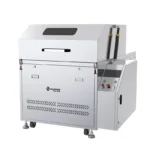
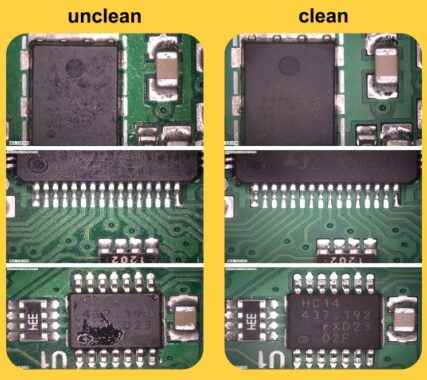
Dezsmart’s Fully Automated Aqueous Cleaning Systems, paired with specialized eco-friendly water-based detergents, offer chemical solvency far superior to IPA. More importantly, our equipment utilizes high-pressure spray-in-air technology with 360° coverage. This mechanical force penetrates deep under BGA and QFN components to flush out stubborn contaminants—a level of cleanliness that manual IPA soaking simply cannot achieve.
2. The “Dirty Loop” vs. Closed-Loop Filtration
IPA is highly hygroscopic; it rapidly absorbs moisture and airborne contaminants, which degrades its solvency and leads to secondary pollution. Even 99.9% reagent-grade IPA starts a “countdown” to contamination the moment it is exposed to air.
The Dezsmart Advantage:
Our PCBA Aqueous Cleaning Machines feature a multi-stage filtration and closed-loop recycling system. The cleaning agent is continuously DI-filtered within the system, ensuring that every second of spray hitting the board is pristine. Combined with a high-efficiency hot-air drying system, we eliminate residue and water spots entirely, achieving a true “zero-contamination” output.
3. Safety Hazards: From Flammable Solvents to Non-Combustible Aqueous Bases
IPA has a low flash point of approximately 15°C (59°F), making it a high-risk flammable material in a factory environment. Beyond the fire hazard, the high cost of hazardous material (Hazmat) shipping and specialized storage adds a significant burden to your overhead.
Why Choose Eco-Friendly Aqueous Cleaning?
Aqueous cleaning uses water as the primary medium, making it completely non-flammable. This transition eliminates the need for expensive explosion-proof storage and high Hazmat freight charges. Most importantly, it protects your employees’ lives and your facility’s assets.
4. Environmental Compliance: Staying Ahead of Regulations
IPA is a Volatile Organic Compound (VOC). As global air quality regulations become increasingly stringent, the use of IPA is facing more legal restrictions and carbon-tax pressures.
Dezsmart’s Commitment:
Dezsmart Eco-friendly Aqueous Cleaning Machines are designed to meet the world’s toughest environmental standards. Our water-based solutions have extremely low or zero VOC emissions. Furthermore, our equipment’s built-in oil-water separation and filtration functions greatly reduce wastewater treatment pressure, helping your factory pass environmental audits with ease.
Conclusion:
Are you still struggling with incomplete cleaning, low efficiency, or fire risks associated with IPA? It’s time for your process to evolve. By switching from manual wiping to Dezsmart Automated Aqueous Cleaning, you aren’t just improving cleanliness—able you are enhancing production efficiency and your brand’s value in the global market.
What do you use to clean your PCBs? Is it IPA, or something else? Let us know how that’s working for you